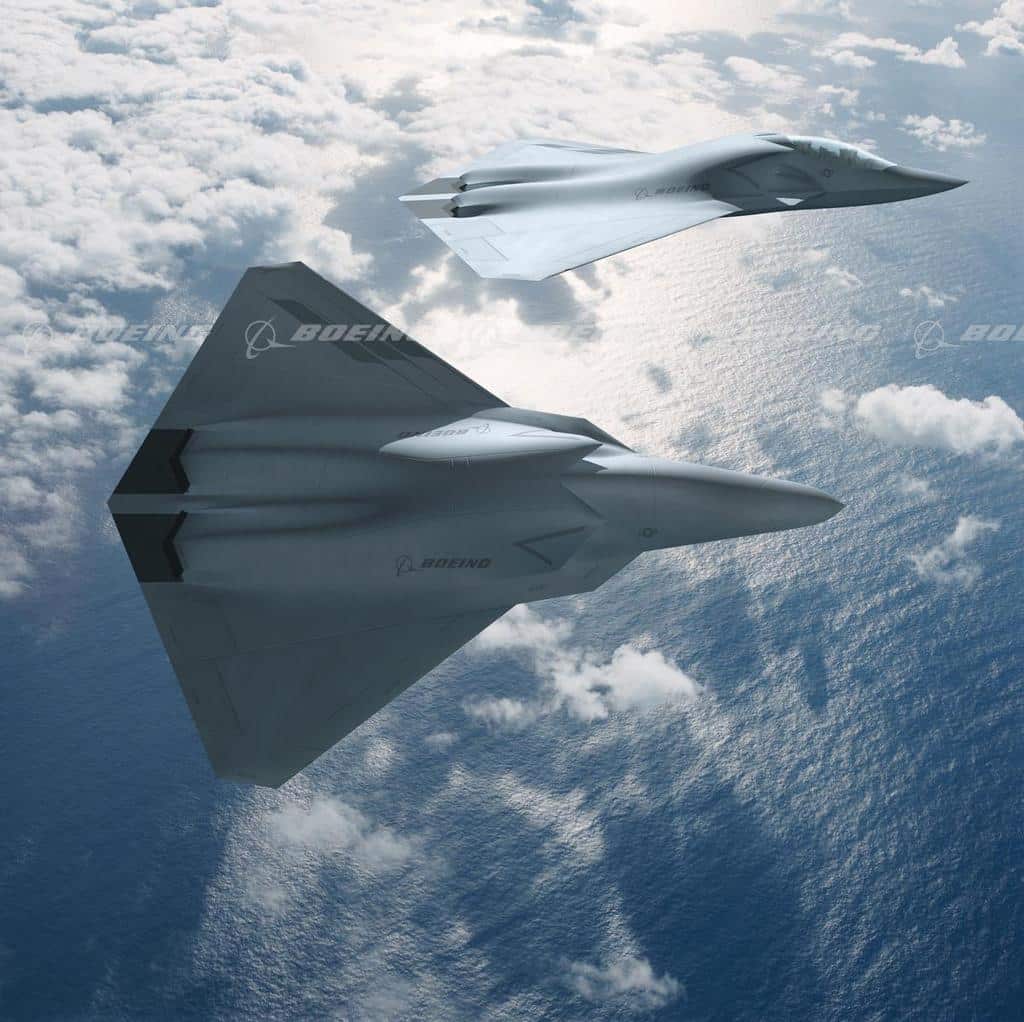
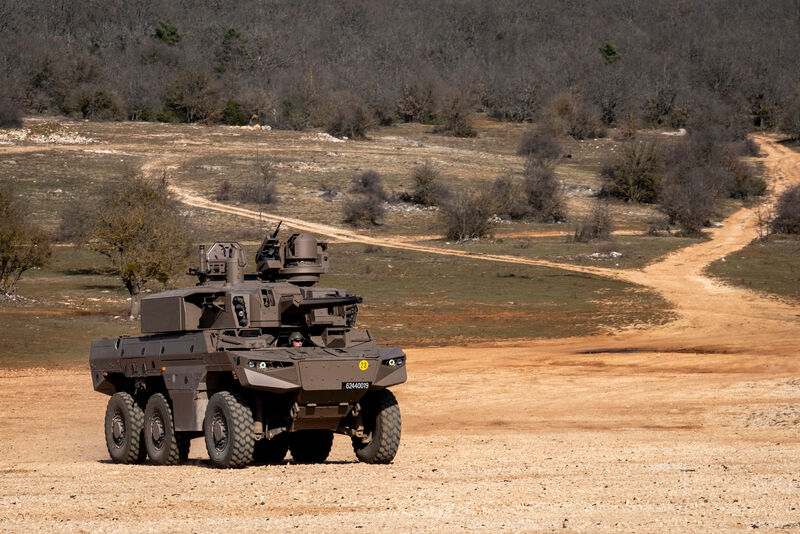
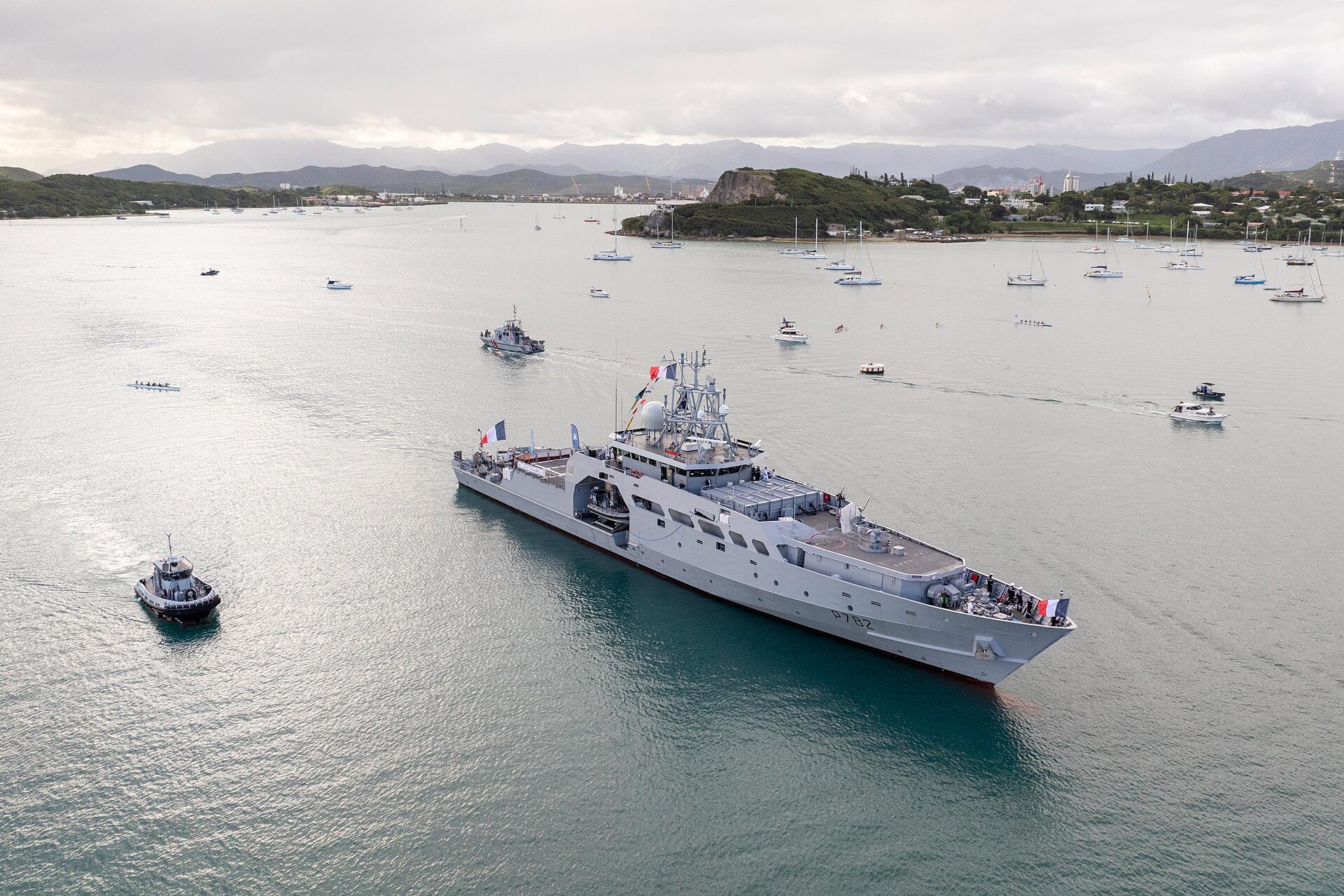
Despite its capabilities and its essential role in Western armed forces, air power is facing a paradox: historically tailored for classic operations but today the victim of its own success, it must now adapt to stabilisation and ‘small wars’. Over and above the RMA and ‘Transformation’, the air arm must realign its doctrine and practices to exploit its irreplaceable flexibility in crisis management and the many uses of the third dimension in joint stabilisation operations.
The Hidden Side of Air Power
Without wishing either to minimise the significance of the most challenging of missions or to assume the end, even in the short term, of so-called high-intensity operations, one must nonetheless note the relative disparity between today’s conflict environment and the structures of current Western forces, materially and psychologically configured around what is now a highly unlikely situation: the conventional ‘large-scale’ enemy and its associated operational scenarios.
Reflected as it is in the force structures and doctrines of all three armed services, and especially in Western air forces–spearheads of the industrial and technological war–the heritage of the Cold War at first glance seems out of step and ill-adapted to an era of international policing actions, asymmetric conflicts and other complex stabilisation operations.
Closer examination, however, shows that the characteristics of air power offer specific, often crucial, advantages within a joint service framework, whether enhancing our physical advantages in crisis management or providing cover for unconventional operations against asymmetric adversaries.
Il reste 94 % de l'article à lire


.jpg)