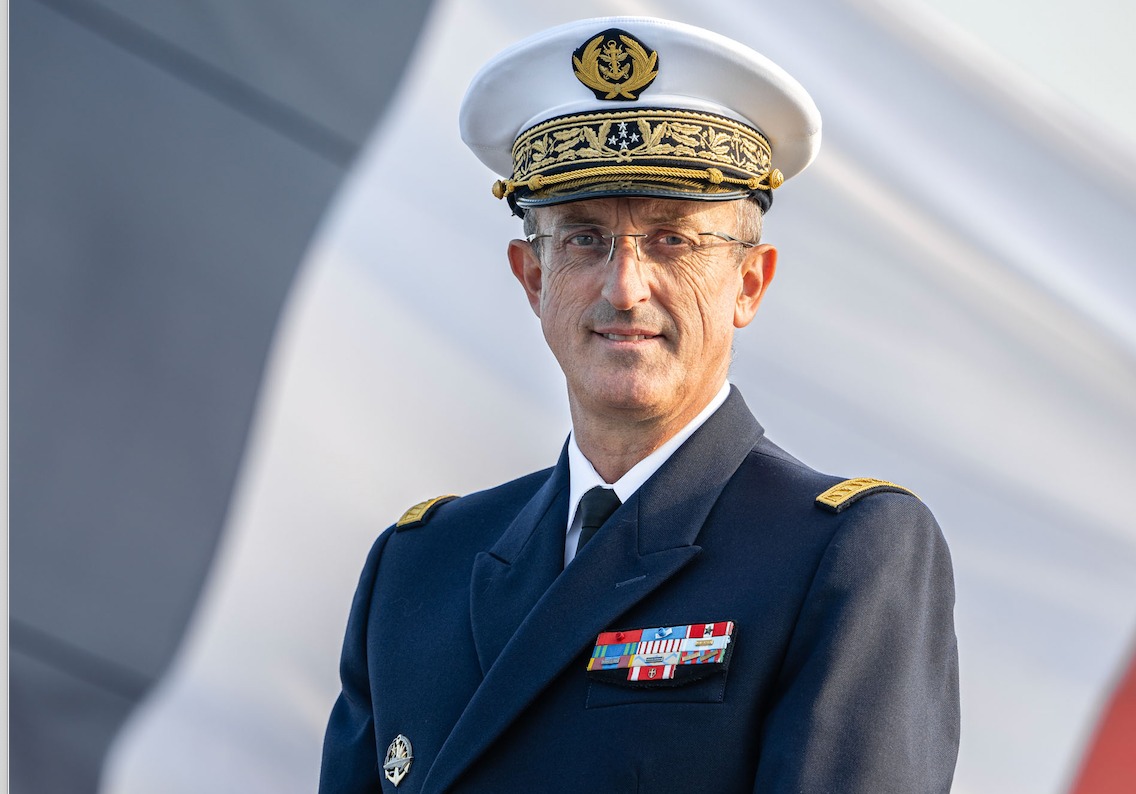
Successful transformation of our forces means firstly taking note of the transformation that is taking place in war itself and the challenges that this represents for our armed forces. This requires an overall approach to our defence capability, drawing conclusions from the continuity between operations, the development of military capabilities and the administration of the forces (extracts from a speech by the Chief of the French Defence Staff, General Jean-Louis Georgelin, on opening the colloquium ‘Europe and Transformation’ on 5 February 2008; www.defense.gouv.fr/ema).
War and Transformation
Over the past 15 years France, like other Western countries, has been constantly adapting the organisation of its forces, doctrine and equipment in order to be more effective. Ever since the President’s decision in 1996 to change to all-professional forces, the French armed forces have been in a permanent state of change in order to develop ‘jointness’, to improve their ability to participate in multinational operations and to extract the best from technological progress, in particular from the new information technologies. This process has been conducted with an eye constantly on promoting European defence and relations with our allies, and has made French forces what they are today: an essential asset to our country which is recognised abroad and appreciated by our own citizens.
For all that, the debate on transformation continues, since we have yet to define all the ins and outs of force adaptation in a manner acceptable to the member countries of the EU and NATO. Oddly, perhaps, the very strength of the concept lies in this lack of a rigid definition. For us, today, transformation means a combination of geopolitical certainty, strategy and a military necessity.
A Political Certainty
Above all, transformation is a political certainty in which we have to face up to today’s new problems by looking for new approaches. There are three aspects to it.
Il reste 91 % de l'article à lire
.jpg)