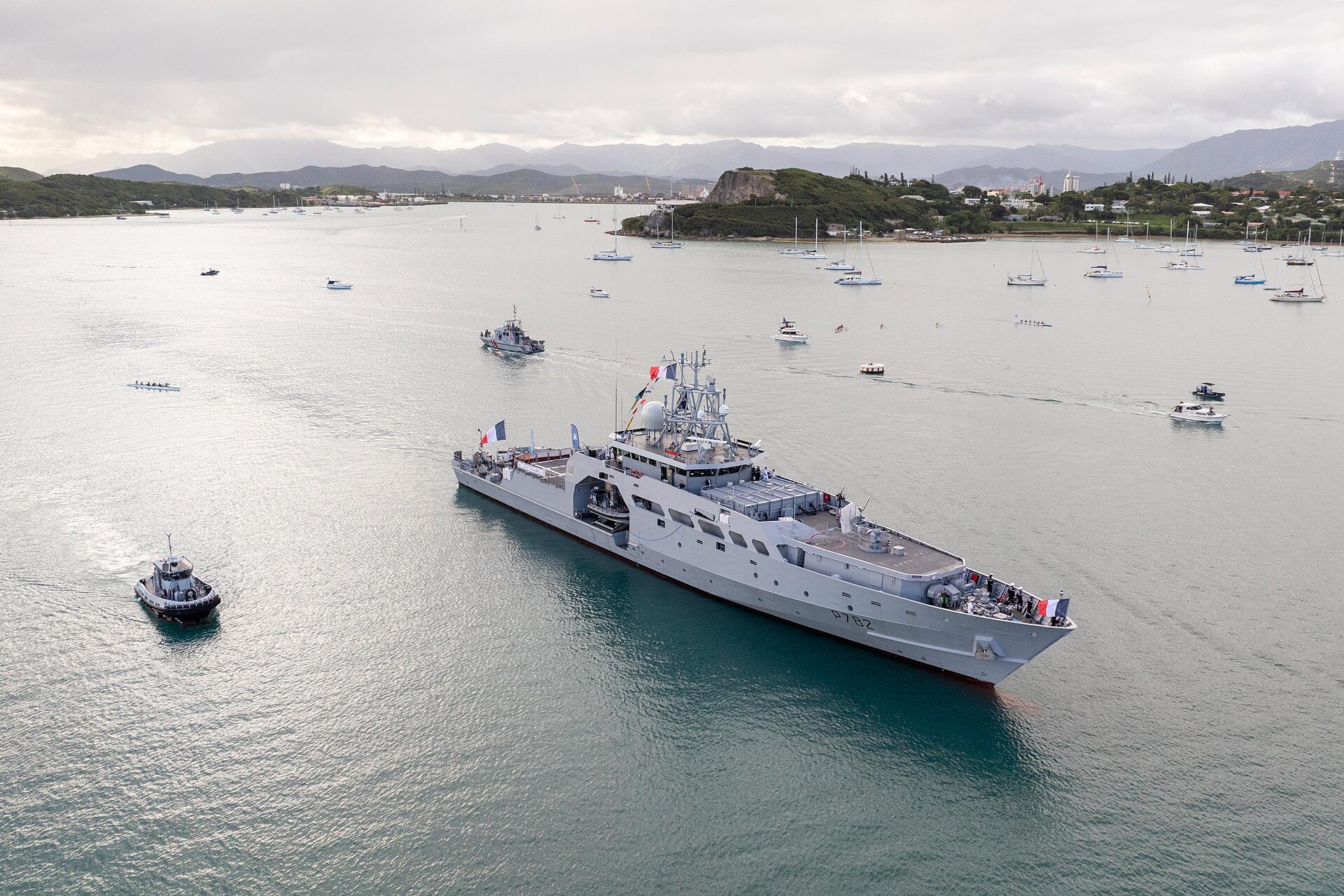
A central player in joint campaigns, the Army of tomorrow will be engaged in increasingly complex operations, wars among the people against a more radical adversary. In a context of limited human and financial resources, its operational performance will depend on modernised equipment quickly adaptable to conditions on the ground, mastery of information and rationalised support, together with enhanced training facilities.
The Army of Tomorrow
The Army of tomorrow will have to go on adapting to a radically different internal and strategic environment, taking into account the operational requirements of the time and the preparation of the future. Confronted with the complexity of the ground environment, which is radically different from the other two elements since it is the natural habitat of man, the Army will not be in a position to choose to overlook anything and will have to permanently reassess its need. As the major actor of future joint campaigns, as is already the case, it will take up the strategic challenge that its modernisation represents if it succeeds in continuing a balanced investment effort, both in the short and long terms, in the fields of human resources and equipment, while coming within a limited organic context.
Limited Resources
First, the Army will have to rely, in the future, on limited human and financial resources.
Its strength will probably be stabilised around 100,000 personnel compared with 120,000 at the moment after the reassessment of the operational contract and the requirement for stabilisation of public finances. The available human resource will, however, not necessarily be attracted more than today by the land forces. The combination of the reduction of the number of active workers and the growing distortion between the individualist aspirations of the young and the specific requirements of the military way of life will make recruitment and retention even more difficult. The scarcity of the resource will have multiple consequences. The quality and volume of recruitment as well as retention will increasingly depend on the financial attractiveness of the career and on the quality of the military life in a context of exacerbated competition on the labour market. In terms of operational employment, less numerous soldiers will necessarily have to be versatile and will have to be regularly trained within the schools and specialised centres of the Army. Preserving our soldiers’ life in the field will be more than ever an imperative, moral and operational but also political, owing to the probable reluctance of an aging population to accept the death of young people for reasons sometimes seen as uncertain.
Il reste 86 % de l'article à lire